Edmonds Maritime Connection
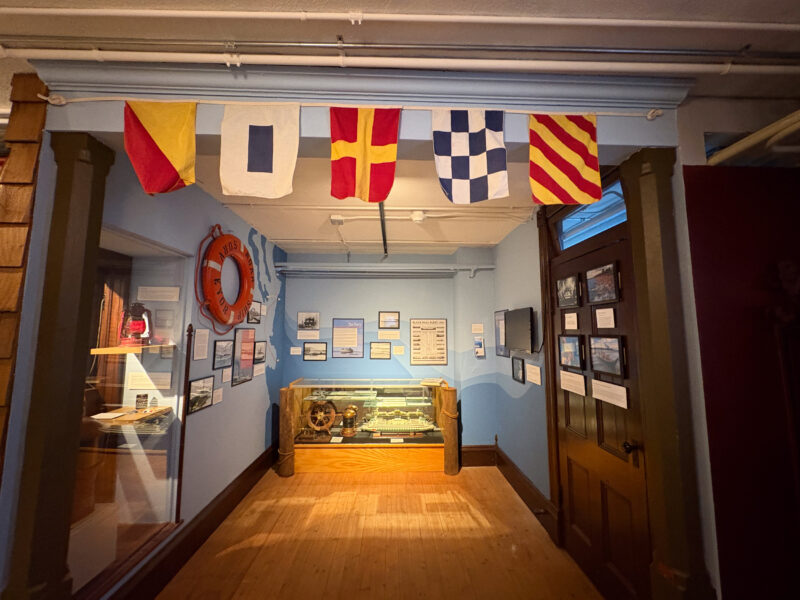
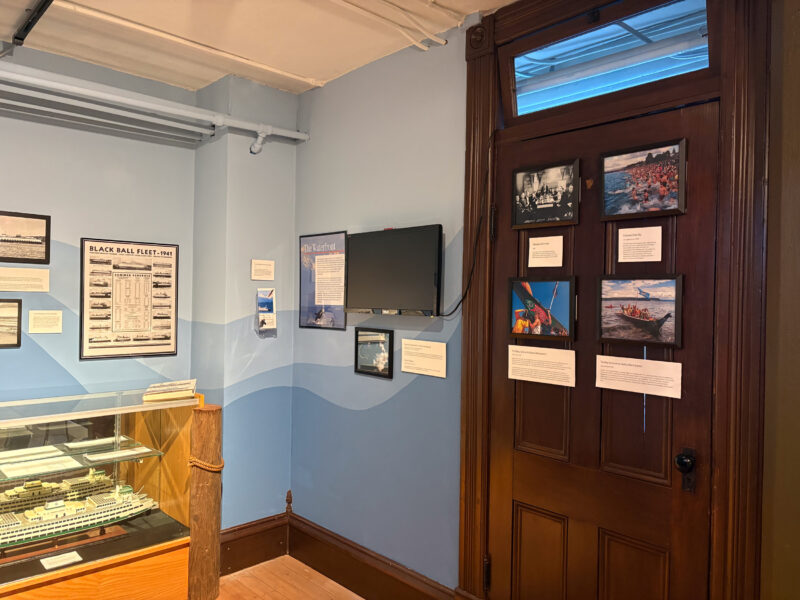
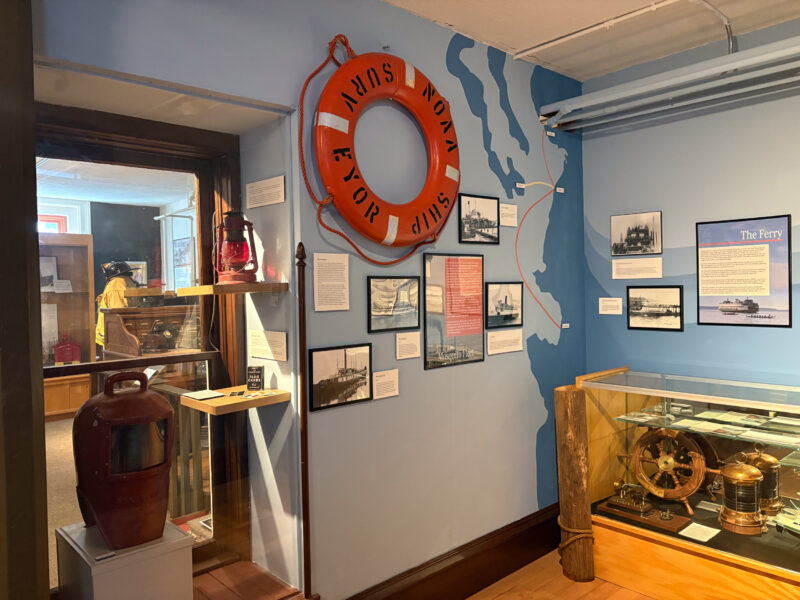
Since time immemorial, water has connected the land that became Edmonds to the larger Puget Sound region. The new Maritime Exhibit at the Edmonds Historical Museum, on permanent display, showcases how maritime life was foundational to Edmonds becoming the town it is today. The Coast Salish people travelled the Puget Sound in canoes, providing vital access to food, community, and culture. From the 1830s to early 20th Century, steamboats and steamwheelers, known as the Mosquito Fleet, were the primary form of transportation into Edmonds, moving resources and people into the growing city. As car travel increased, and the importance of the Mosquito Fleet diminished, Ferries arrived provide for travel across the Puget Sound. The Tacoma Model Ferry, on display in the Maritime Exhibit, is a modern example of how Ferries have adapted to serve the growing populations of Edmonds and similar coastal towns.
The Maritime Exhibition also illustrates Edmonds’ continued relationship with the water. Today, the town of Edmonds is connected to the water in more diverse ways than ever before. Many vessels in addition to the Edmonds-Kingston Ferries call the Port of Edmonds home, such as boats for fishing, whale watching, recreation, and cultural traditions. The Edmonds Waterfront is a place of connection for people and the water, providing opportunities for swimming, scuba diving at the Edmonds Underwater Park, community celebration, and connecting with the unique nature and landscape of the Puget Sound. Visit the new Maritime Exhibition to learn more about Edmonds’ abundant Maritime history and the abundant ways you can connect with the water today.
The updated Maritime Exhibition was made possible through gifts from community partners Annie Crawley, Glenn and Becky Duncan, and The Puget Sound Express, as well as donations from members, volunteers, and the general public. The new exhibit was reimagined and installed in March 2026 by University of Washington graduate students Nicole Román Abreu, Olivia Jenkins, and Vienna Laughlin, in collaboration with Curator Polly Yorioka, Collections Manager Allyson Alvis, and Diversity in Local History intern Saul Gonzalez.