Edmonds Historical Museum
Explore the Past. Empower the Future.
Bringing Edmonds’ Past to Life
The Edmonds Historical Museum invites visitors to explore the stories, people, and moments that shaped Edmonds and the surrounding region.
Founded in 1973 by local volunteers, our private nonprofit museum is dedicated to preserving and sharing community history through engaging exhibits, research, and educational programs.
We are located in Edmonds’ historic 1910 Carnegie Library building at 118 5th Avenue North. Our building served as the local library from 1911 until 1962 and later housed the City’s Parks and Recreation Department. On August 3, 1973, it reopened as the Edmonds Historical Museum.
Today, our museum stewards our growing collection of more than 26,000 artifacts, documents, and photographs that tell the story of Edmonds and greater south Snohomish County to ensure these stories are shared for generations to come.
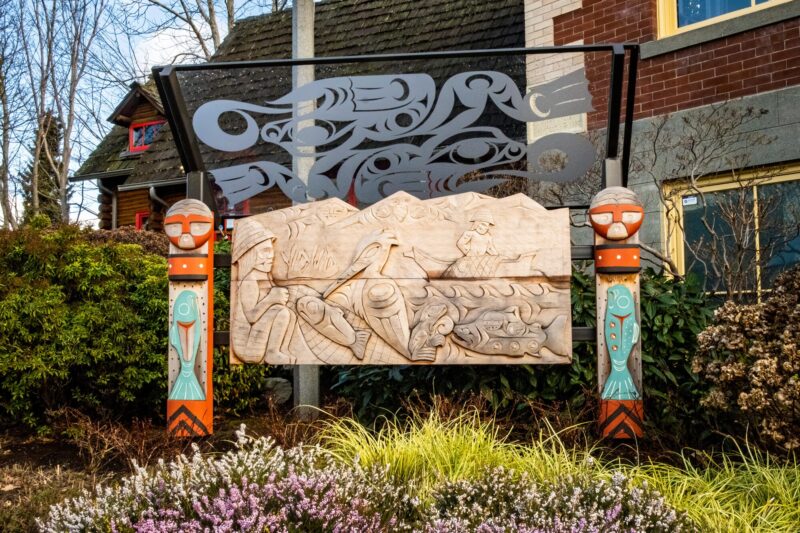

Latest Exhibits
-
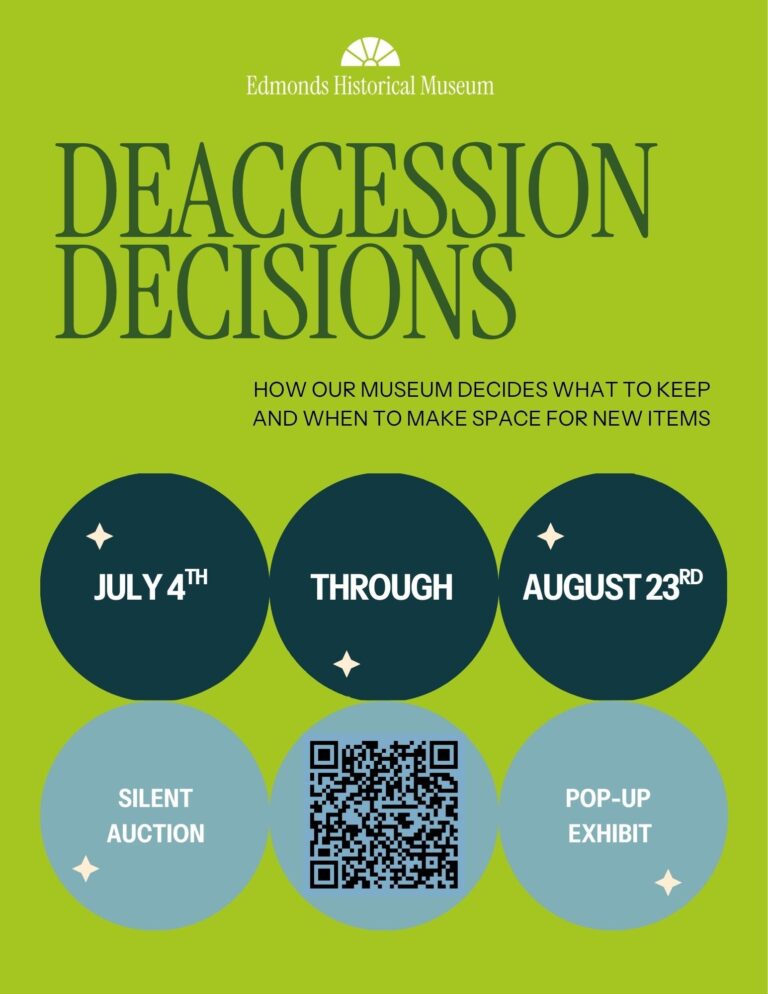
Can a Collection Be Too Big?
We have more than 30,000 objects in our collection, and more come in every week. It costs both in time and money to preserve everything appropriately. How do we select …
-
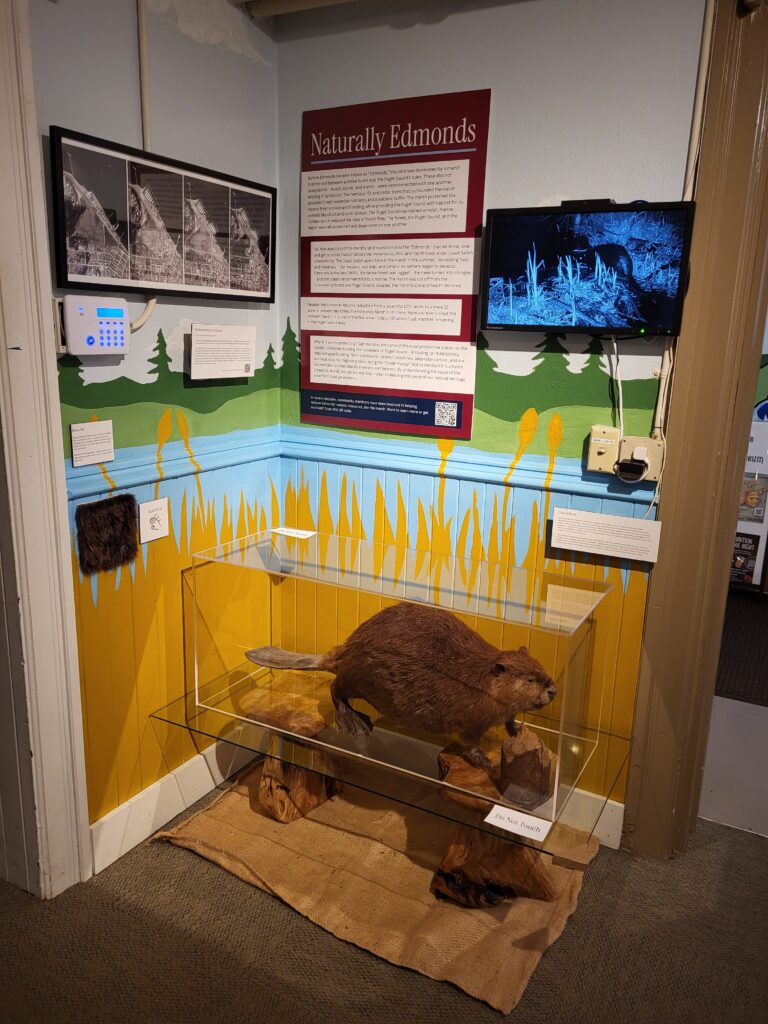
Naturally Edmonds
The place we call “Edmonds” today wasn’t always a city. Since time immemorial, the Coast Salish stewarded this marsh-dominated landscape where the forested land met the tides of the Puget …
-
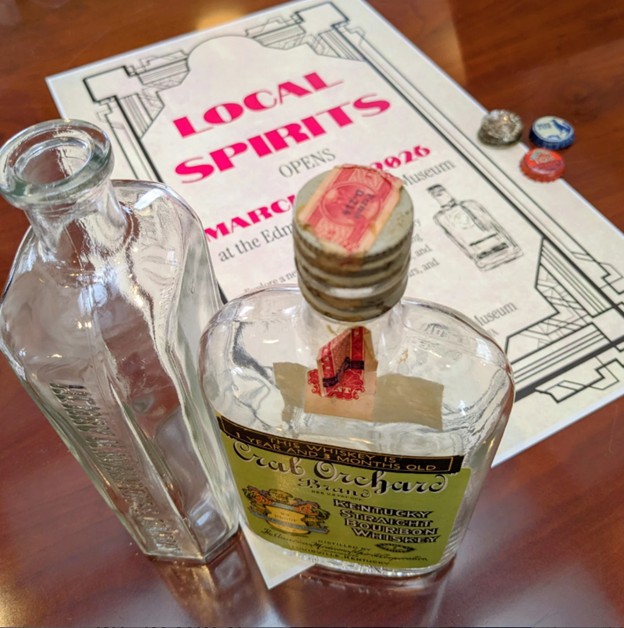
Prohibition in South Snohomish County
Did you know that Washington state went dry four years earlier than the rest of the country? Washington banned the manufacture and sale of alcohol on January 1, 1916. National prohibition began on January 16, 1920 with the ratification of the 18th Amendment.
Upcoming Events
-
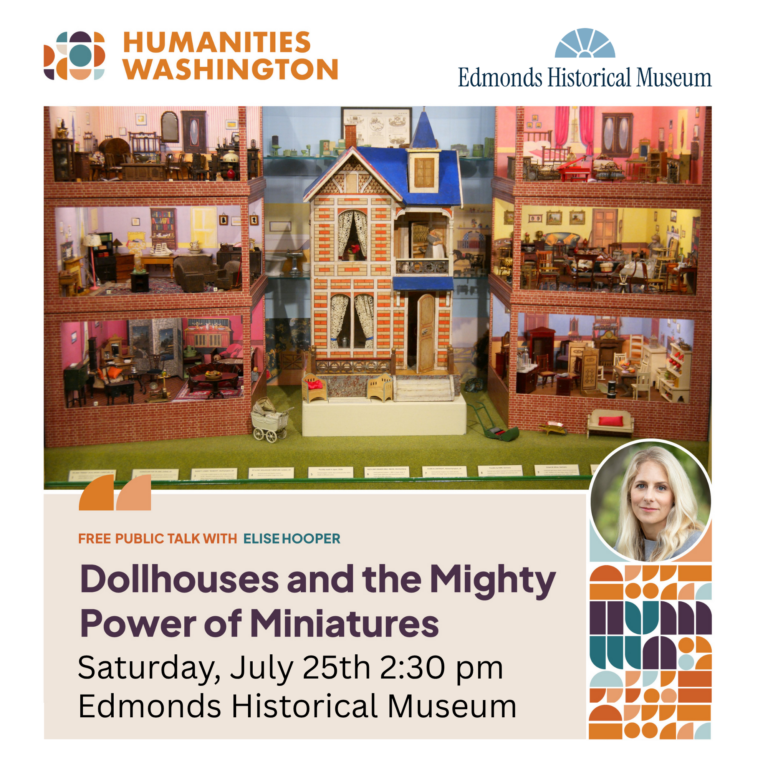
Talk on Dollhouses and Miniatures
Humanities Washington Presentation You’ve enjoyed the history and detail of the Historical Museum’s Victorian Dollhouse. This is your chance to learn more about the history of dollhouses and miniatures. Join …
-
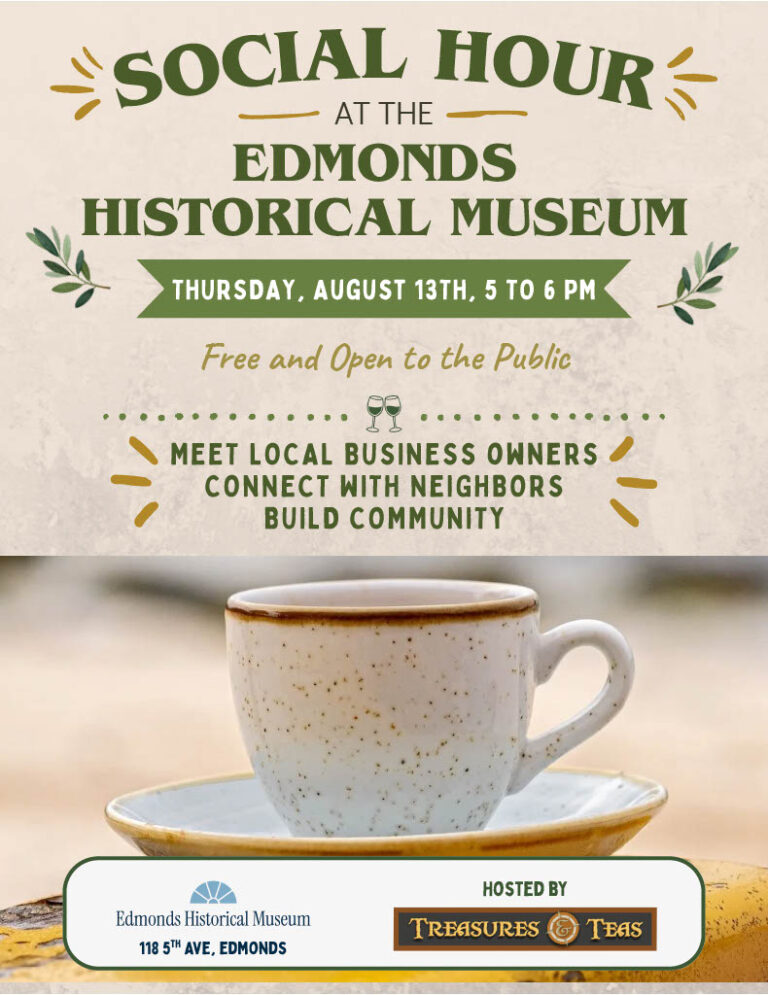
Next Monthly Social Hour at the Museum
The next Social Hour at the Museum will be on August 13th from 5 to 6 PM. This one will be hosted by Treasures and Teas. Come for a little tea sampling and conversation. No tickets required. Just drop in, learn about some of our local businesses, have some snacks, and enjoy a little relaxation and conversation after a long day.
-
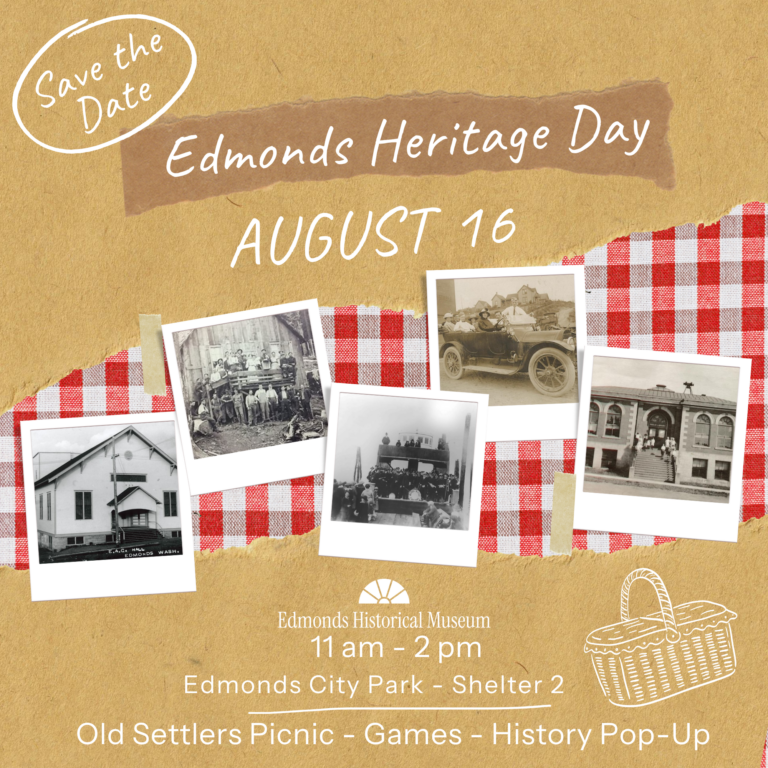
Edmonds Heritage Day Picnic
Picnic, Games, and History This is a chance for the descendants of the Edmonds founders, long-time residents, and everyone else to get to know each other a little better. Mark …

Edmonds Historical
Society and Museum
The Edmonds Historical Society and Museum engages, educates, and inspires our diverse community through stories from our past that generate insights about our future.
We are dedicated to sharing the history of our community. We achieve this by research, collection, and preservation of historical documents, artifacts, memories and events, and by utilizing interpretive displays and engaging in creative public educational programming.